2017-2018 NYC Photography Business Internship

posted on: August 16, 2017

Deadline to Apply: Sunday September 3rd, 2017

When I was starting out, I really wanted to have a mentor to help me find all the short cuts I needed to be more successful.  As helpful as online forums were, I never felt comfortable sharing too much information or getting into the nitty gritty details online.  I just wanted that one person who had seen it all, and done it all, and could guide me through the challenges.  However, very few professional photographers actually offered any internship opportunities, so I never really found that person even though I applied to many opportunities and attended many workshops.  Luckily, I was strong enough to figure things out on my own, but of course it took twice as long and I could have saved a lot of time if I'd found a mentor to work with.

Photo by Brian Wright / Allred Studio

That's probably why I've had such a strong dedication to giving back through mentoring and writing articles on the PhotoLovecat.com blog- wanting to give someone else what I wish I'd had in the beginning.  Taking on an intern has often been one of the most challenging ways of mentoring- requiring a ton of dedication on the part of the intern to show up and make the most of our time together while I try to figure out what their level of dedication says about the amount of responsibility and experiences I can provide them.

The interns who treated our time together like it was even more valuable than a paid job were often rewarded with a very deep level of experience and insight into running a photography business.  The interns who weren't very reliable about showing up or doing basic photography business administration tasks often didn't get much experience simply because they weren't dedicated to learning about the actual business behind making a living as a full time photographer.  The more curiosity you have about running a photo business, the more you'll learn.

Mentoring with a professional photographer as an intern is much more about the hands-on experience of running a business than it is about photography.  You may gain some technical photographic tips or experiences along the way, but what you really learn is what the backend of being a professional photographer is about, and it's something you can only learn by working on the backend of a photography business.  For some people, this makes it much easier to run their own business later on.  For others, this experience lets them know they really don't want to run their own business.  Either way, it provides a fast track of experiences about what someone wants to do after their internship is over.

I am currently able to take on ONE photography business intern for SIX months.  

You Should Apply If:
You're an optimist who's excited about the idea of running a professional photography business and can commit at least 5 hours weekly to showing up at my office in NYC for at least 6 months with motivation and dedication to doing the work and trying new challenges.

Location:

You will be working from my office near Washington Square in New York City (zip code 10012); and occasionally meeting over Skype.

Weekly Office Hours:

- 12-5pm Wednesdays 
- September 13 - December 13, 2017  / January 17 - April 18, 2018
- Additional hours as agreed upon 

Software You Should Already Understand:

- Mac OSX
- Adobe Photoshop CS

Equipment You Should Already Have:

- Cell Phone
- Laptop w/ WiFi Access
- DSLR Camera

Tasks That You're Already Comfortable Doing:

- Basic Image Editing & Retouching in Photoshop
- Using a DSLR Camera in Manual Mode

What You'll Learn During Your Internship:
- Marketing with Imagery
- Professional Networking
- Business Management
- Client Workflow
- Image Management
- Vendor Relations
- Product Sales
- Photography Tips

How you will be compensated:
- Weekly One-on-One Business Mentoring during our 6 Months Together ($7200 value)
- Access to behind-the-scenes operations, workflows, and contracts in my business (priceless)
- Opportunities to receive paid assisting, retouching, and second shooting opportunities as available and depending on your creative and technical strengths. ($$$)
- Internship credit (if necessary for College/University study)

******Deadline To Apply********

SUNDAY SEPTEMBER 3, 2017 11:59pm

You must EMAIL A VIDEO INTERVIEW OF YOURSELF.  Written applications alone will not be accepted.  You can upload something simple like a smartphone/webcam video to YouTube, Vimeo, or just embed it in your email to me, but it should be at least one minute long and provide the video content requirement listed below.  Caution: don't wait until the last minute to send your video, or you may run into technical glitches and not get your application in on time.


Include the following details in your message to info@anneruthmann. com:
  1. Email Subject: Internship Application 2017
  2. Email Content: Your Name, Phone Number, and where you'll be traveling from each week
  3. Video Content: Share why you're interested in working as an intern, what skills and experiences you already have, and what you hope to learn during your internship.
An emailed response to your video application will be sent by Sunday September 10, 2017.

Last, but not least, because I don't think it's fair that you have to send a video without also seeing a video of me, so here's a link to a variety of video interviews and talks I've done about my own journey into and through the life of being a professional photographer over the last 13 years:

TEDx Talk 2015


Fresh Rag Interview 2014 


Dane Sanders Interview 2012

Anne Ruthmann on Fast Track Coaching with Dane Sanders from Dane Sanders on Vimeo.


POSITION CLOSED: NYC Architectural Photography Apprenticeship Available

posted on: July 13, 2015

***POSITION CLOSED***

Position Open as of June 25, 2015
Applications Accepted before July 25, 2015
Interviews Begin August 3, 2015

Who I Am:
An Architecture & Interior Design photographer based in Manhattan, New York City, NY, USA with 11 years of experience as a professional photographer in Michigan, Indiana, Massachusetts, Queensland, and New York.  I have an active travel and client schedule, and I'm looking to expand my team of help in order to better serve my existing clients as well as future clients while my client list continues to grow.

Manhattan Interior Design  Photographer

Who My Clients Are:
My clients are everything from solo interior designers with boutique businesses, to high end real estate agents featuring multi-million dollar properties, to architectural furniture and utility suppliers, to large architectural firms with multiple projects.  Clients come in large and small accounts, and are all equally important to serve with the best quality and care.

The Ideal Apprentice:
  • Has a passion for Architectural Photography and working with Architects and Designers.  
  • Has familiarity with using Lightroom and Photoshop to edit and retouch images, and is willing to learn more on their own time in order to create better results for clients.  
  • Strives toward a clean and natural color profile in their work and sees the difference between egg-shell white and coconut white while color-correcting a room with mixed lighting sources.  (If you aren't sure about your own ColorIQ, try this excellent visual color test: http://xritephoto.com/ph_toolframe.aspx?action=coloriq)  
  • Is dedicated to constantly improving their personal skills along with their photography craft.  
  • Is flexible and can handle stressful situations or people with ease and calm.
  • Is willing to commit to a 12 month paid apprenticeship for a minimum 1 day per week in Manhattan, with additional opportunities to take on more independent projects as skills grow.
  • Already has DSLR camera experience, knowledge, and equipment.
  • Already owns their own computer and Lightroom and/or Photoshop software.
Apprenticeship Experiences May Include:
  • Post-production tasks such as selecting ideal images for editing, color-correction, lighting manipulation, retouching, and exporting for client usage.
  • On-site assisting during shoots that includes manipulating lighting set-ups, staging furnishings and accessories, operating lighting and camera remotes, equipment set-up and proper storage.
  • Submitting pricing proposals and creating warm-lead marketing proposals.
  • Client care and follow-up on projects and proposals.
  • Using various online services for billing, proofing, and asset delivery.
  • Organizing digital assets and maintaining back-ups of assets.
Additional Apprenticeship Benefits:
  • Access and use of professional camera and lighting equipment when needed for Anne Ruthmann Photography clients, and/or apprenticing projects.
  • Sales and marketing training 
  • Client management training
  • Freelance lifestyle mentoring
To Apply:
Please include the following in an email to: info (at) anneruthmann.com before July 25, 2015.
  1. Email Subject: Application for Architectural Photography Apprenticeship 
  2. Email Message: Introduce yourself and write about why you would like to apprentice as an architectural photographer.  Include what you're looking forward to learning as well as what experiences and skills you already have that you will immediately be able to use.
  3. Include: Resumé of previous working experiences, education, and any volunteer experiences you've had as well as your contact information with mailing address and phone number
  4. Include: Portfolio link or PDF that shows 10 Before & After photo examples that demonstrate your photography style straight from the camera as well as your post-production editing style.  Bonus points if they are interiors and architecture.  If you don't already have some, this is a great opportunity to go out and create some!

3 Keys for Photography Success: Brand • Business • Well-being

posted on: May 22, 2015

If you've been following my personal and business adventures on my blog the last 10 years, you've seen the ups and downs I've shared, but you've also seen how my last few years in business have been absolutely amazing.  I've solved so many of the big problems that used to hold me back from being successful and now my business continues to grow while also having more time to enjoy my life outside of my client obligations.  It wasn't always this way, and it took a lot of problem solving and overcoming failure to get here, but now that I'm here and I know what's possible on the other side of all that struggle, I absolutely want to help other photographers reach this point too!  I finally feel like business is easy, clients are perfectly aligned with my talents and what I love, and I have healthy working and life habits that keep my energy high and allow me to take time out for family and friends.

In order to help more photographers reach this point in their business, I'm collaborating on a Full Day Workshop, June 17th 2015 9:30am - 5:30pm, in New York City along with Editors-Edge and The Healthy Photographer to address the 3 Keys for Photography Success: Brand, Business, and Well-being.

Photography Brand, Photo Business, Photographer Well-being
Brand is all about knowing what makes your work unique and what work will attract your ideal clients.  Without knowing what makes you unique or who your ideal clients are, you're just throwing darts at a wall without having a target to focus on.  Once you solve that problem, your business becomes laser focused on the who and why of what you create and how you create your work.

Business is all about taking the brand you've established for yourself and applying it to the products and pricing that you offer.  Offering products or pricing that don't align with your ideal client or your unique work often creates frustration for you and your client because you're in different places about what you need to create good work together.  Once you've aligned these things with your brand, bookings become easier, negotiations are super smooth, and clients actually want to invest even more in what you have to offer.

Well-being is the capstone of success as a creative professional.  You can have a successful brand and a successful business, but still feel entirely unsuccessful in life because you haven't taken the time to establish healthy habits as a small business owner or freelancer.  In my business, I learned that no amount of six figure years in revenue made me happy until I had taken the time to work on my well-being as a creative business owner.  Once I solved those problems- I was really, truly, able to feel success in all areas of my life.

You may know that I've been doing private consultations for photographers now for several years.  I've helped hundreds of people privately and in group workshops with pricing, packaging, products, relocation, and workflow management as part of the Smarter Business Workshop as well as thousands of photographers by regularly sharing free tips, advice, and free webinars on PhotoLovecat over the years.  I've always wanted to be able to help more people than is possible privately in one-on-one consultations, but one thing that has frustrated me about traditional conferences and group workshops- is that the format often encourages attendees to be passive observers to a speaker rather than active participants in co-creating their future.  I've also been unimpressed with the rockstar mentality of "you should do it the way I do it" which is just not practical or applicable across the board, since everyone has unique life situations and different goals for being in business.  So, I wanted to create a full day experience where people can actually be actively engaged in applying information to their own businesses and lives, with regard to their unique situation and how it all fits in to what they need.

The Brand • Business • Well-being: A Photographers Workshop is designed to give you a ton of personalized feedback specifically on your brand, your business, and your wellbeing as a creative professional.  This isn't about doing things just like we do them, it's about identifying what makes you and your business unique and uniquely valuable to your clients.  It's about finding what pricing and products will actually make your life easier rather than harder.  And it's about figuring out how to implement healthy changes in small and measurable ways so that you can actually take action and not just take notes.

If you've been feeling stuck in your business and the path ahead seems unclear, it's most likely time that you got some outside perspective on what you've been doing and offering.  You could just hire one or all of us as coaches to help you discover the path ahead.  To work with each of us individually as consultants and coaches, you'd pay up to three times the cost of this workshop, but by creating a group environment on a set date, we can combine all of our services together in order to make it much more affordable for those who need our help.  If you think that this workshop is just what you need to move into a new realm of success as a photographer and creative business owner, head over to the eventbrite link below to register, and save $50 by registering before May 31st:
http://www.eventbrite.com/e/brand-business-well-being-a-photographers-workshop-tickets-16942204590?aff=smarterbusiness


CLOSED POSITION: Part-Time Virtual & On-Site Office Assistant (Greenwich Village / SoHo / Manhattan)

posted on: May 11, 2015

****** Updated***** This post is no longer active.  Thank you to all who applied!

Looking for an awesome virtual assistant and occasional in-office assistant (Greenwich Village/SoHo) for 4 - 8hrs a week at $20/hr.  If you have design or photoshop skills, I may have even more work for you at an even better rate.  My primary concerns are that you love to take care of my clients and make sure they have everything they need when they need it, and you love to make life easier for me by doing things even better than I can do them on my own.  No photography experience needed, but if you have an eye for organization, design, and constantly strive toward greater efficiency, I will go above and beyond to keep you hired and working with me.  Here are the basics of what you'll do:
  • Be punctual, keep your word, and show up when needed or make arrangements for someone else to take your place.  I realize this seems basic, but you'd be amazed how many people can't do just this one simple thing with consistency.
  • Be able to work from my Greenwich Village / SoHo office a few times a month and on your own from a great internet connection otherwise
  • Use these programs (if you don't already know them- you should be a self-learner who is comfortable learning new software on your own and have confidence that you'll figure it out from tutorials and youtube videos online without my help): 17Hats, PayPal, Pictage, Dropbox, Gmail, MacMail, iCal, Mac Address Book, Mac Remote Desktop, Lightroom, Skype, Google Hangout, iChat, Eventbrite, Facebook Pages, Instagram, Twitter, Blogger
  • Create new contracts from established templates and occasionally draft a new contract
  • Have impeccable grammatical and spelling skillz (and be annoyed by the fact I used a z and be able to point out my other faux pas)
  • Talk to me on the phone to get quote or proposal details which you clearly and beautifully compose into an email or 17Hats proposal for clients
  • Handle email and phone communications on my behalf when I'm traveling or working intensively on location and can't be in touch with clients directly
  • Email clients with project updates, links to images, billing reminders if needed
  • Schedule appointments and shoots into my calendar using my super awesome system full of functional details I can access offline in the subway when needed
  • Organize client info online based on a system I already have and be innovative about finding ways to make it even better or more streamlined
  • Maintain digital asset organization (images, videos, contracts, proposals, PDFs, client info)
  • Learn easily, aren't afraid to take charge when needed, and like to finish every project you start even if it takes extra time or means asking for help
  • Have a sense of humor, not take things personally, be flexible, and roll with the craziness while still getting things taken care of when a huge project comes in at the last minute

If this isn't you, but someone you know, I thank you for sharing this post with them!  If this is you, please send an email to info@anneruthmann.com before June 1, 2015 with:
  1. 3 dates and times that you can do a Skype video interview online
  2. A link to one article I've written online and a paragraph sharing what you think about it
  3. Your resume 
  4. 3 References I can call


Photography Internship Review: Brian's Feedback

posted on: May 8, 2015

Whenever I have an intern, I give a LOT of feedback to them as we're working together about their approach, their skills, their zone of genius, their talents, and where I see them being most profitable as a photographer. I get to see how they work, where they struggle, what their walls are, what their hesitations are, and I also get to share resources that I think will help them improve. Because of all the support I provide, I also like to receive feedback on myself as a mentor, what I offered, and what I provided to make sure that the internships I offer are of the highest value.  

Anne_Ruthmann_Intern-0119

Brian and I had an interesting journey because when he started, my direction was aimed heavily at portraits and weddings, but shortly after taking stock of my own business as it was unfolding in NYC, I realized that my own opportunity for growth here was actually going to be in architectures & interiors, and part of the work that he was brought on to work on ended up being different than either of us had anticipated up front. He was good at going with the flow and I found ways to help him get the experiences he really needed with other people who were focusing more on Wedding work than I was. However, don't take my word for it, here's what Brian has to say about working with me as an intern:

1. What was it like to intern with Anne?
Brian: Working with Anne has been one of the most rewarding experiences during my years as a photographer.  Not only did I get to meet and be mentored by a fantastic photographer I also made a lifelong friendship and to me, that is priceless!  It was like working with my incredibly talented younger sister!  From the very start Anne was grateful for my help and made me feel like family, we joked, we teased, we cried, we laughed and most importantly ate delicious food all over Manhattan! =) 
(Anne says: I'm actually older than Brian, and being taken out for lunch around Manhattan is part of the intern "payment" plan.)

Anne_Ruthmann_Intern-0841
(Brian was awesome and never complained about how much gear I made him carry. ;-)

2.  How would you describe Anne as a mentor?
Brian: Her mentoring style can be summed up as Hands-on and very involved, I loved her style.  She created an expectation of "I know you can do it- so just do it!"  It was her expectations and mentoring style that made it so easy to not be afraid of beings pushed past my comfort zone.  She seemed to care about my success and photography as much as I did.  She would send me text messages at we hours of the morning telling me that I need to do this and to get this in order with my business.  I've never met anyone as involved and committed as Anne.

Anne_Ruthmann_Intern-4067

3. What do you feel you learned by working with Anne that you wouldn't have learned on your own?
Brian: Anne pushed me to think and go outside my comfort zone.  Within the first week she already knew where my comfort zone ended.  She made me cold call individuals and ask them specific questions about their business and to see if they could use any of my services knowing that cold calling and trying to sell my business scared the living crap out of me!  Anne pushing me to this has helped me immensely, I don't think I would have been able to push my self to do that if I was on my own.  

4.  What did you learn about yourself in the process of the internship?
Brian: I learned what I'm worth as a photographer which is key when you have to run your own business with a profit.  After each day I interned Anne would create a journal entry, in those entries she would write what we did, what we have planned with our next visit and what she observed in me as a photographer.  By the time the internship was over she had  broke it down for me through her observations and directed me in a more clear path of what I needed to do as a photographer.  Finding that worth was and is priceless for me!

Anne_Ruthmann_Intern-0707

5.  What do you wish you'd learned, but didn't?
Brian: I would have loved to see more of the wedding photography client interaction side of the business, meeting them, showing them the album options, etc.  I was however able to experience a lot of the back and forth email communication with clients which was fabulous.

6.  What do I think a intern should bring with them before they intern for Anne Ruthmann Photography?   
Brian: Have a business plan. If you go into the internship with a clear plan of where you want your business to go you will be able to implement all the information you will receive in a more efficient way.  Set goals, more specifically set goals of where you want to be in the next 6 months to a year with your photography, that will help Anne guide you to achieve those goals.  Lastly go into internship with a strong willingness to learn from such a gifted and talented photographer.

Anne_Ruthmann_Intern-1156

7.  Anything else you'd like to share?
Brian: This internship was so much more than I expected it to be.  Being with Anne for those 6 months was a great experience.  She gave me so much advice on what I need to know to have a healthy business as a photographer in NYC!  Its now up to me to take that advice and run with it to make my photography thrive!

Thank you Brian, for sharing your thoughts and allowing me to share them on my blog!! Follow Brian to see where he goes next!! http://www.allredstudios.com/

NOTE: I am not accepting any new interns at this time, but I'm always accepting new consulting clients over on the Smarter Business Workshop Facebook Page where you can sign up to be notified of free and paid upcoming workshops online or in your area, as well as getting regular tips, asking questions, and getting advice to help you tackle different aspects of your creative business life!  If you don't need one-on-one help, feel free to browse all of the free articles I've already written over at Photo Lovecat.

Why Do I Look Different In Photos? 3 Factors That Affect Your Portrait

posted on: April 20, 2015

Before I was a photographer, I just couldn't wrap my head around why I looked SO different in other people's photos than I thought I looked like in real life.  I felt like no matter who took photos of me, it was never the same person in the photo than who I was used to seeing in the mirror or in selfies!  If you feel this way, you're absolutely right, but it's because you actually never get to see yourself as the world sees you until you look at a photograph.  

Garbo_Dreams_Web_2014-37
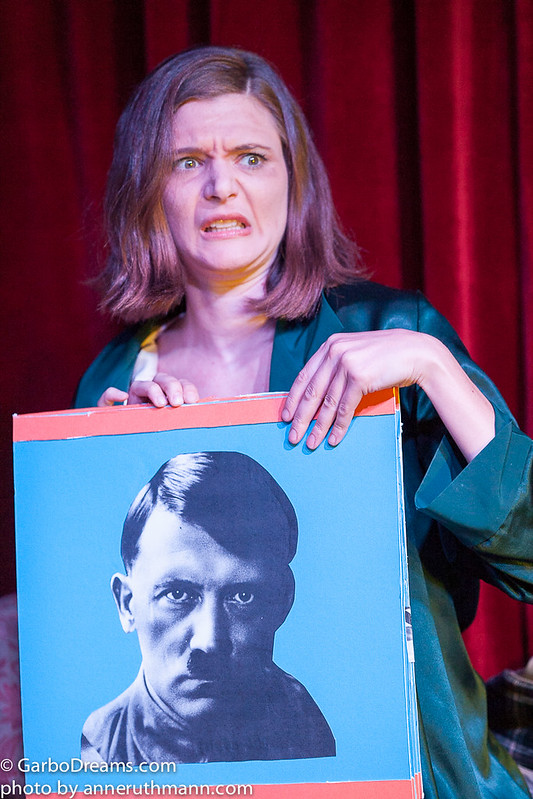
Scene & a most unflattering portrait from Garbo Dreams by Lauren LoGiudice 

You aren't crazy, or abnormal to think you don't look like yourself in photos, but there are three important factors that can make your portrait look more or less familiar to you:

1. The Mirror Effect
Any time you look in a mirror, you're actually seeing your identical "evil" twin who fools you into thinking this is what you look like to everyone else.  This person is who you have come to think is your image, but it's actually a reversed image of what everyone else sees.  That mole is not actually on the right side of your face as it appears in the mirror, it's on the left side.  Your larger eye is not actually the left eye you see in the mirror, it's the right eye (and yes, almost everyone has a larger or smaller eye).  Since many forward-facing "selfie" cameras mimic this mirrored effect, you're always seeing your mirrored twin, rather than the person that everyone else sees when they look at you.  A photograph reflects back your actual self, as others really see you, with a few other variables to consider, as mentioned below.  You notice all of the differences because they are new to your eye versus the image your brain has imprinted as what you look like.

via GIPHY

2. The Lens Effect
The human eye is equivalent to a roughly 45mm lens on a full-frame DSLR.  This means that your portrait will often appear different if the lens used to photograph you is wider than 40mm or tighter than 50mm on a full frame DSLR.  Many portrait and headshot photographers use lenses in the 70-200mm range that end up compressing the relationship between the tip of your nose and the back of your head, which can often reduce any facial features that may feel exaggerated when looking at yourself in the mirror with your 45mm lens eyeballs.  However, if a photographer uses something as wide as a 24mm lens for a portrait, it will often exaggerate any features and distances between them on the canvas of a face.  If possible, ask your photographer to use a few different lens focal lengths to help you decide which version of your face looks best to you in print.  A photographer also has the ability to see your face at a higher or lower perspective than you usually do, so when that is combined with a lens choice, it can affect which features are more or less prominent in the 2-Dimensional photo.

Lighting Tests-009.jpg

3. The Lighting Effect
Most of us view ourselves in overhead lighting, whether it's in the bathroom with the lights centered above our face, in a general indoor setting where there are skylights or overhead lights, or outside where we have sunlight almost always at an angle higher than our physical maximum height in relation to the horizon of the earth.  All of this means that when we see an unusual lighting pattern on our face other than what is natural and familiar to us, it highlights features of our face that we aren't used to seeing highlighted, or creates shadows that don't seem flattering because we haven't adjusted to their appearance over the many years we've come to accept the naturally occurring shadows on our face.  This is why a dramatic or creative portrait may be more flattering to the overall concept of the image, rather than what an individual might find flattering for their own personal use or interpretation.  A skilled photographer can use light to enhance or minimize certain features of your face, but you most definitely pay more for someone with that level of technical expertise and experience, versus someone who hasn't yet figured out how to manipulate light to your best benefit.

I hope this helps you understand why it is that you appear to look different in photos every single time you see them.  It's not you.. it's your brain that has been trained to see you in a certain way almost your entire life... and it's been seeing you differently than everyone else sees you all along!

Parrot Bebop Drone Image Quality Review

posted on: March 23, 2015

As an architectural photographer, I occasionally get requests for aerial views of properties.  The only problem is that most of these requests are coming from individual property owners or small businesses who can't afford the highest quality imagery that comes from a helicopter or cherry picker option.  In some cases, even if they could afford it, certain tightly constructed urban areas make it very difficult to get a specific elevation with either of these methods.  Enter: drone photography.  Depending on the model, drone photography becomes a more affordable, albeit slightly lower quality option for aerial photography when in the hands of a skilled drone operator.  For the purposes of this post, my tests fall under recreational usage on family private property.

In order to see if drone photography would be a solid option in my service offerings, I decided to pick up the Parrot Bebop Drone while browsing the Apple Store.  The salesperson was actually pretty knowledgable in drone options, which helped me decide to give it a try at what I would consider to be a very inexpensive investment of $499 for this particular model, which is also a great price point if you're a tech geek and want to play with something until breaks, but not feel too bad about it.

Build:
The quadricopter craft is surprisingly lightweight, mostly made of light plastics and styrofoam, with the heaviest components being the battery and camera elements.  At first it feels a little flimsy, but after you've used it a few times, you realize how robust and durable it actually is.  The construction alone feels like an inexpensive build, but when you consider the materials science that must have gone into finding the right plastic, testing of different materials for durability, and various trials needed to achieve this design, it's worth so much more than that.


Battery:
Huge praise to Parrot for including 2 batteries in the box.  Each one has about 11 minutes of flight + image capture time.  They knew the limited scope of the battery life and didn't force you to buy a second battery after you've exhausted your first 11 minutes of learning how to fly.  They also created a battery charger that can do a fast charge of around 1 hour until full, with international adapters already included.  The lithium-ion batteries are very durable and powerful and should last at least 1-2 years with this fast-charge cycle.  The element for plugging in the battery to the craft is a little tricky and took about 10 minutes to line up properly, but once I gained more confidence with just pulling the plug out from the nose with a little embedded nylon string, it became much easier to switch out batteries.

Controls:
I started with just using the iPhone App for controls.  It provides a live view of what the camera sees during flight, with the option to move the image capture around quite a bit within the fisheye lens view.  The live view and controls are all done over a Wi-Fi network established by the Drone itself.  This also means that the range of controls is limited by the Wi-Fi range and any interference that your smart phone or iPad would pick up on.  Obviously, a wide open farm field or park is going to give you much more control than an urban area where any number of interferences can occur.  This interface is actually really robust and advance (not that I have much to compare to at this point), but I was impressed with the quality of controls.  I would probably prefer to use an iPad so that the accelerometer wouldn't be so sensitive, but thankfully, the app has built in controls that allow you to mitigate the speed of the lift, turns, and directional movements, which helps make it easier to control with something small like an iPhone.  The YouTube Parrot Bebop instructional videos were very informative on how the controls work for more info on what all these buttons mean.


Stabilization:
This is probably the most impressive feature of this craft.  It has AMAZING stability for its lightness and controls.  I shook that thing a lot and the video imagery refused to budge on the horizontal plane.  Where it suffers a little is the left to right stability which can more easily be affected by wind or changes with operator controls.  The stabilization differences are less noticeable when the craft is flying forward,  backward, or panning to the side, but much more noticeable when hovering the craft in one spot.  View one of my test videos posted on Instagram to see an example of this:


Image Quality:
My biggest concern as a photographer is image quality.  As a professional photographer, I have a VERY high image quality standard that is based on over a decade of looking at images in great detail and depth.  That being said, I allow for concessions regarding imagery depending on use- for example, I'm extremely satisfied with the quality of imagery from my iPhone cameras since the 4s model, considering how small, lightweight, and easy they are to use.  Unfortunately, what the Parrot Bepop gains in all other areas of drone technology, it still has a way to go in image quality considering the entire design is for image capture.

The lens is actually not that bad for a small fisheye lens, it's more that the sensor quality and depth is much more limited than mobile phone cameras- the quality is similar to what you'd see in a ten year old point and shoot camera.  To the untrained eye, this isn't that much of a problem, but to an imaging professional, I can see the image limitations.  The biggest limitation is the exposure depth.  The color quality is actually really decent, but the highlight to lowlight range shows a strong preference for detail in shadow, which is fine as most people don't care about detail in whites, but it is limiting if you're photographing a white home or white roof, which I did during my tests.  If I had reduced exposure to favor highlights, I would have lost most of my shadow detail, so it's most likely a restriction of the compression to JPEG or DNG from the original capture.

Here are a couple more examples I shared on Instagram of the image quality in both a still image and in video mode:

In this video I'm testing the Parrot Bebop metering response, auto white balance response, autofocus, indoor exposure, and video image detail. The drone isn't in flight-mode for this test- all of the movements are from me holding it in my hand- but again, you can see that it holds the up down movements very steady despite my manipulation of the craft. The first few seconds demonstrate how long it takes to transition exposure from outdoor sunlight to indoor lighting, and how much of the scene needs to be of similar exposure for the metering to catch on and make adjustments. At 50% of the scene, the camera held to the first exposure, and it only transitioned exposure when about 70% of the scene had changed exposure levels. The first few seconds also demonstrate that you have great detail and clarity in a sunlight exposure whether the subject is 3ft or 300ft away as observed by the detail in the lace curtain as well as the detail on the building outside. In the second half of this video, I'm looking for white balance adjustments between sunlight and tungsten light, as well as indoor lighting detail. You can see a very slight white balance adjustment as @alexruthmann's white shirt enters the frame. It seems to compensate a little too blue for my tastes, but the scene with wallpaper and wood is a heavy yellow tone rather than a neutral white tone, so it's doing fine for this test. I did prefer to set the white balance in advance when I had a specific still image in mind. In the white shirt you can see the white clipping happening- which is much more difficult to control in video than a still shot. Most people don't care that much about white detail if it needs to be sacrificed for a better overall scene detail, but it would probably appear slightly less obvious if there were a few more chromatic-abhorration corrections built into the image compression. At the very end of the video, you see me bring the camera very close to the stack of books to see how detailed the short focal range is indoors. There's definitely some focal detail sacrificed in lower-lighting conditions, however, the fisheye lens has great detail even inches away.
A video posted by Anne Ruthmann (@anneruthmann) on


An example of the highest resolution still image possible with the Parrot BeBop. Without distortion correction applied, the image is around 3000px, after the image is corrected for perspective, max image size is around 1800px. Because this camera is almost entirely automatic exposure, the best image quality is in daylight. The metering appears to be full frame metering, so it's easy to blow highlights and lose shadows depending on the image. There's minor exposure compensation controls, but because the output is either DNG or JPG, they are compressed and processed files straight out of this camera. I had to customize a lot of the default settings in order to take this image successfully, but I found them quick and easy to find and manipulate after watching the YouTube help video tutorials. It took at least 20minutes of practice navigation time to figure out how to get it at the height I wanted and positioned with the camera angle I wanted, while avoiding things like trees and power lines. Still not sure if I'm sold on this particular model, though I do think it's a really solid investment at its price point for everything it can offer. With enough experience, you'd be able to customize it's controls to suit your needs and help you get the imagery you need within the limited battery life and wifi control range. The images still wouldn't be much use beyond web-usage and I still need to view them much larger on my laptop for a true quality comparison. I do give high praise for the app development team who created a very robust control, capture, and documentation system with this particular drone. It would be great for anyone who needs to cover specific plots of land with documentation mapped out of that coverage. #anneruthmannphotography #testpilot #aerialphotography
A photo posted by Anne Ruthmann (@anneruthmann) on


*This review is completely independent and I have not received any compensation or product to provide this review... though, if you feel like sending me more drones to try in exchange for a review, I'm all for it since I'm still looking for the right model to use professionally.

Forleo B-School Review - Honest Detailed Non-Affiliate Review

posted on: February 23, 2015

If you're considering Marie Forleo's B-School or you've been flooded with marketing about how wonderful and amazing it is from those who are receiving affiliate commission, you'd probably like a more honest, unbiased review from someone who has gone through the program but has no affiliate link to sell.  From what I've heard, affiliates make 50% commission off of any confirmed sign-ups through the affiliate link they offer, and should you decide to sign-up for B-School after reading this review, I definitely suggest finding an affiliate offer that you think you'll also benefit from, since it will give you an even bigger value for your investment.  I have no link to offer you, just wisdom and experience to help you decide whether or not you should join.

This post is long, so here's how it's organized: I'll start with my reasons for signing up before going through the program, what I was expecting after reading the details of the program, what I got out of it while being actively involved, who the program is and isn't for, and how to prepare if you decide you'll be doing the program, or if you've already signed up.

Why I Signed Up for B-School:
I signed up in 2013, after coming off a year of traveling the world and having a lot of my future path  kicked up and spun around with regards to working as a photographer full time, especially if I was going to continue traveling so much with unknown destinations ahead of me.  I was considering a change in my business model and how I might incorporate an online product or service for an income revenue stream beyond my in-person service business.  I was considering something that would support me and allow me to help others even as I traveled and wasn't sure where I'd land next.  

I vetted Marie Forleo through her YouTube series and newsletters for probably a year before I made any decisions on signing up for her program.  I liked her style and I could tell by the engagement she had that she was attracting a progressive audience of mostly female and creative entrepreneurs who weren't afraid of making their own rules in the business marketplace.  One of her videos led me to actually track down someone who had written in and had their question read as part of "Q&A Tuesday", which led to confirmation that she was answering real questions, and that she was paying it forward with not just entertaining content, but in some cases very helpful and bold advice.  

Once I framed paying for the B-School program as a way to support her in continuing to produce content to inspire and encourage progressive feminine entrepreneurship, it didn't matter so much to me if the program was going to be good or not, which also helped to keep my expectations in check from the beginning.  I also knew that no matter what the program offered, the most valuable part, for me, would be "lifetime" access to a world-wide network of progressive female entrepreneurs who would potentially be able to support one another and connect with each other around the world.

What I Expected:
Based on all of the marketing materials, it seemed like the B-School program would attempt to create a plan for selling products or services online.  I knew that the program would last 8 weeks, but I didn't know how much of a time commitment it would take up front.  I think somewhere along the line, it was mentioned that I should budget a couple hours a week to go through the training material and participate in a live call each week (the reality was different).  I already had 8 years of small business experience, plus education and success in marketing and management, so I figured that there would be a lot of information I already knew, but perhaps there were still some key things about the online marketplace that I was missing.

What I Received:
There were several ways of engaging with the program:
  • Instructional Videos: done in more of a slideshow informational style than MarieTV style, which can also be downloaded as a series of slides, audio, and video transcript separately which is especially helpful for anyone who has impairments or needs to digest the information differently
  • Worksheets: very well-designed editable PDF worksheets that go along with each video segment to help you apply the info
  • Video Comments Section: under each video, viewers are expected to share their understanding or questions which occasionally receive feedback from Marie's team or other participants
  • Weekly Live Call: while this call is live and recorded, the questions or participants to be answered are generally chosen in advance and not everyone will have a chance to ask their questions in a live call, but all people can participate by listening in
  • Forums: Originally, B-School didn't really have forums outside of the Video Comments, but B-Schoolers took it upon themselves to create a space on Facebook for B-Schoolers to connect, share, discuss, and stay in touch with each other, off of the main B-School program website.  I believe the B-School team now has their own forum, which will hopefully remain active over the year and not just during the 8 week program.  For those who got into the Facebook groups early, it's still a great resource for connecting.
  • Membership Directory: This is the place to find and be found and to seek out other B-School entrepreneurs you may want to connect with offline.  While I've been traveling, it's been a great way to connect with people of different countries who share common goals and interests toward entrepreneurship and a lifestyle of financial freedom.
What I Got Out of It & What You Should Expect:
As I had anticipated, already having a background in business marketing and management and 8 years as a small business owner meant that many of the ideas and strategies discussed were review for me.  However, I decided I was going to set my experience aside as much as possible and focus on applying the methods and program to my business even though much of it felt like review of what I'd already done or known.  Like many things, you can know what the right approaches are and still not do them for whatever reason, so my goal was to be actionable on as many fronts as possible.

1. Know What You're Selling Before Starting The Program
The first thing I discovered was that you can really only actively participate in this program effectively if you already have a business idea and some experience in your market.  I felt bad for the people who signed up and had no idea what they wanted to offer or sell.  They were stuck at step one during the entire program and couldn't participate as actively as they could have if they'd had some solidified business idea that they were going to be applying the information toward.  That being said, they could have moved forward and participated fully even without having a business idea by simply picking a random business idea out of thin air to pursue, but there really wasn't an outline or guidance about how to do that in a way that would be effective for them.  Luckily I already had an existing business I knew a lot about, and another one I was considering.

2. Have Some Experience With Selling to Your Market Before Starting The Program
Within the first week I had to decide if I was going to apply the information to a future business idea or to an existing business, and it became immediately clear that it was far easier to apply the information to a business model I'd already had some experience with.  I decided I was going to get the most out of the program by applying the training program to my existing photography business, rather than any new venture or purely online business I might want to create.  I found that it was also better to focus as narrowly as possible on one customer segment- so I chose wedding photography specifically.  That helped me concentrate on applying the information as quickly as possible, rather than speculating about how it might be applied or what it might apply to.  Even so, many of the ideas for implementation could only be outlined in the training program, but would need many more months to actually implement.

3. Set Aside Enough Time for Action, Not Just Observation - 8-10 Hrs/Wk
A second discovery was that while the video material and live calls may only take 1 or 2 hours per week to view and listen to, actually applying the information toward your own business and completing the worksheets took more like 8-10 hours per week.  I think that's an important time investment that people should know about if they'd like to actively participate in the program and receive feedback as often as possible.  If you do not stay on top of the program as it's happening, you can still participate on your own timeline, but opportunities to receive any personalized responses or engagement with your particular struggles may slip away from you, as well as your own dedication to keeping up. While the access to the information is available throughout the year, the only periods in which the B-School team and Marie engage directly with students is during the active B-School program hours.

4. Find An Accountability Buddy To help me stay accountable, I reached out to other people in my area and told them I wanted a partner who was dedicated to keeping up with the program and making an investment to meet regularly in person.  I immediately found someone in my local area that I could be an accountability partner with, and we made weekly or bi-weekly dates to get together and share our worksheets.  Even if we fell off the wagon one week and didn't have something written down, we met, and worked on it together.  Having an accountability partner to meet with in person made a huge difference, and now I'd consider us lifelong friends who support each other pursuing our dreams and living healthy, happy lives.  I do have B-School to thank for that, and many other wonderful friendships with amazing and creative entrepreneurs.

5. Not All Content May Be A Good Fit For Your Business
The program and information leans heavily toward people who are working in coaching and counseling fields and those who want to have an online educational component that can be packaged and sold.  While you can apply the ideas to an in-person service or product based business, not all of the material will be as useful for you or as easy to apply and implement.  For creatives and small business online entrepreneurs, this program is definitely a better investment than an MBA program designed for middle-management moving toward executive leadership.  If you're a tech start-up, you'd be better off with an incubator or start-up program that puts you in front of investors and tech mentors.  B-School is a program with a spiritual life-balance and give-to-receive karma focus.  While these aren't overtly stated with any dogma attached, the whole program starts from a foundation of creating or growing a business for the purpose of making a difference beyond your own self-interest.  If your business focus is money alone, you're going to think a lot of the intuition-based guidance Marie suggests makes absolutely no sense.  There are good reasons why this program is targeted strongly toward women and feeling-based decision makers.

6. Lean On The Community More Than Team Forleo
For me, one of the biggest strengths of the program is the community and the opportunity to gather with other creative entrepreneurs offline in a city near me or while I'm traveling.  Because the community has grown so large now, it's possible to find people in almost all major cities of the world.  When I lived in Boston, I had several meet-ups with other B-Schoolers who shared what they were working on and got feedback and support from other entrepreneurs.  When I traveled, it was a way to connect with other B-Schoolers around the world.  When I moved to New York, it became a way to have instant community with other entrepreneurs beyond a typical business networking group with a forced referral structure.  It was always about connecting personally, if not more than it was about finding a business network.

7. Expect Incestuous Selling/Marketing
One of the drawbacks of the community, or advantages depending on how you see it, is that the program can be very incestuous, and many previous alumni want to tap newcomers to take their programs as well.  They've found that the B-School community is a haven of people who want to buy and consume online content, and so there can be quite a few people pushing their programs and selling to the community without contributing much other than opportunities to buy their programs.  The advantage to this is that you can see exactly what their opt-in offers are if you don't mind a mailbox full of things you'll need to unsubscribe to later.  You can see what marketing tactics they're using and what methods appear to be successful for them as they share their wins along the way, and you can view their websites and how they've laid out their offers to see if they are attractive to you.  If you are a jealous or insecure person, this may get to you after a while and shut you down because you'll fall into the comparison trap, but if you are confident in what you're offering and you consume from an objective place of infinite possibilities for all, it just becomes another place to share what you're doing among other people who are doing similar things.

8. Make Your Own Mastermind for Personalized Feedback If you ask a question in the program or the community, don't expect too much engagement, despite the size of the community.   Many more people are posting than reading.  You're on your own for most of this program with very little feedback, which may feel isolating among such a large community, unless you create a mini-group of people to connect with for accountability and feedback meetings.  It doesn't happen naturally though, you need to seek it out or create it for yourself, but you should be able to find at least 4-5 other people to share ideas with online, if not in person.  It may help if they are local to your state or city and in different industries so you don't feel like you're competing with one another.  B-School helped me connect to a master-mind group in NYC of wise, intelligent, and passionate women who want to make a difference, and our support for each other is enhanced because we get together regularly for business and personal reasons.

9. Lifetime Access & Renewed Participation Each Year
I continue to join-in the program each year as its rolled out with subtle changes to the structure and information.  It's informative to see what brilliant ideas are coming out of the woodwork, what new solutions are being created for creative entrepreneurs, what struggles are still being tackled as a creative community, and it becomes a chance to revisit my own tactics and approaches each year.  Even though I've found it's much more difficult to implement the ideas for a primarily in-person service-based business, every spring I get the itch to create an online product or program to help others, and it's good to stay in touch with people who are innovating in that space and bringing knowledge to larger audiences.

Who The Program Is and Is Not For:
This program can work for you if you have a business that you'd like to take online, market better online, or streamline in the online space to be more effective.  There are many great tools and techniques being shared in the community each day that can help you solve problems around the online space of your business.  This program is not for you if you resist operating in an online space, or if you don't have a business idea to work on.  This program is also not for you if you don't really have time to work on your business.  You could pay to join the community and just see what other people are up to, but you're not going to connect with them easily or meaningfully if you aren't also working on a business.  The strongest people in the community are ones who are actively engaged in working on moving their online business forward.

Prepare To Get The Most Out of B-School:
  1. Go into the program knowing what business idea you'll be applying the program to and make sure you're wanting to work on the online aspect of that business.
  2. Make sure that you can dedicate 8-10 hours for each week of the program to watching the videos online, filling out the worksheets, and participating in discussions and live calls.  This could happen in 2 hour segments each day, or in a full day chunk, but it's definitely at least 8-10 hours if you actually want to apply or implement the information and get feedback from Marie's team and the community.
  3. Research affiliate offerings.  Affiliate offers are like a 2 for 1 offer where you pay the same price for Marie's program, but get someone else's content for free on top of it all.  A lot of reviews of B-School actually lead to an affiliate link of some kind.  As of this posting, I am not an affiliate and I have no offer for you (but for the Unlimited time offer of FREE, you can get tons of my creative business advice over on PhotoLovecat)
  4. Set up your member profile and view the other people who are in your local area or in your same industry.  Connect with them online through social media to stay in touch- be sure to say hi and let them know you're joining B-School for the first time.  Your member profile on B-School becomes another business card that people may potentially use to reach out to you.
  5. Value the input of the community even MORE than you value Marie's very limited amount of individualized feedback.  The community is FULL of entrepreneurs who may have already solved your problems and who are willing to help you.  SEARCH for answers first by looking for any previously posted comments related to your problem before posting a new thread that may potentially not be seen by anyone.  Engaging in other conversations around the same topic will provide more insight and clarity than expecting everyone to engage directly with you.
  6. If you find yourself feeling like you're slacking, at the very minimum, watch every video and leave your comment below each video.  You can always go back later.  You can always do the worksheets later.  If you do nothing else, this will essentially be keeping up with the program and give you an opportunity to get any clarity around the ideas by hopping on a live call or at least listening to recordings of live calls.
  7. You will have limited engagement with Marie.  Know that this is not a private one-on-one coaching program, it's not even a group coaching program, it's an online classroom with some Q&A calls.  She has assembled a fabulous support team, but an even greater community of entrepreneurs.  If you go into the program hoping to get personal attention from Marie, you will be disappointed.  If you go in with the mentality that you are using a training program to do the hard work yourself with occasional help or solutions from other people who are working on the same things, you will find it to be a far more rewarding and valuable experience.
  8. Find an accountability partner you can meet with weekly and schedule time into your weeks from the beginning to work on things together.  Hold each other accountable to one another's desires and dreams and encourage each other to keep moving forward.
I hope that I've helped you make an easier decision or if you've already made a decision, helped you learn how to best prepare yourself to get the most out of the experience and program.  If you found this review to be extremely helpful for yourself or someone else, please share it, like it, pin it, link it or whatever it.  If you have any questions for me, please comment and check back in two days for a response.

Amateur Vs. Professional Photographers

posted on: May 12, 2014

Ever wonder what the difference is between an amateur and a professional photographer?  I've seen some amateurs that have more expensive equipment than me because they think the camera is what makes images better, only to be sorely disappointed that they still get blurry and out-of-focus images after investing over $10,000 in professional equipment, rather than 10,000 hours in developing their eye and technical understanding of light, composition, and technique, which can be applied to any camera or lighting situation.  Likewise, I've seen some AMAZING work from amateur hobby or fine art photographers who dedicate a lot of time to learning the craft, but can't produce that same quality of work when forced into situations they can't control or are outside of their comfort zone, which is why they don't sell themselves as a photographer for hire, only their work as fine art after they've been able to control all the elements.

Much like a painter - we all start with the same canvas - the world around us.  We all have the same paintbrushes and tools - the cameras that are manufactured for everyone to purchase and the software anyone can use to edit the images after they've been captured.  If you were just looking at the canvas and the tools, or even the quality of work after it's been fully controlled and manipulated, you'd be hard pressed to know who's a professional and who's an amateur!  So, here are the things I've come to understand as the defining factor between professionals and amateurs...

Cambridge_Boat_Club-1765


1. Free Without Expectation, or Paid to Produce On Deadline?
The most obvious difference between an amateur and professional is whether they charge for the work they produce and whether people are actually willing to pay what they charge for what they produce.  It seems like such a simple and no-brainer distinction, but the fact is that once people have taken payment to produce something requested by another person, there's a professional responsibility and code of ethics that must be acknowledged and upheld in order to honor that commitment, or the pro takes a hit to future business and referrals.  An amateur doesn't need to honor any commitments when they aren't being paid, and they have the freedom to do whatever they want without worrying about whether they got the right shot, did the work well, or delivered according to a promised deadline or standard.  There's a lot of freedom in not collecting a fee for your work, because once a fee is collected, so are someone else's expectations and professional requirements.

Cambridge_Boat_Club-1397

2. Knowing What Tools Are Right for The Job
An amateur photographer uses the equipment they have, because it's what they have.  A professional knows when a job or request will require more equipment, skills, or technical expertise than they have or can offer alone, so they are more likely to rent equipment when they need it rather than owning a bunch of things they don't need for every shoot, hire extra help when they need it, and outsource when they know that it will create a much better result than they have skills to create on their own.  It's also the difference between knowing why a $30,000 camera is worth it for one job, but excessive for another job that would be much better suited to a $3,000 camera, and why you might use a filter on a lens for one shot before it's taken but do filtering afterward in photoshop for another shot after it's taken.

Cambridge_Boat_Club-1743

3. Knowing How to Use the Tools For The Best Results
Many amateurs don't actually take the time to read their camera manual and understand everything their camera can and can't do.  An amateur tends to shoot in one way and not think about any of the technical choices involved in why it might be better to shoot differently.  For example, using a camera in full-auto and allowing the camera to make automatic but unskilled decisions that may lead to mediocre or missed results, rather than selectively choosing when it would be best to have more control by using manual, aperture priority, shutter priority, or bulb.  The same goes with lens choices.  An amateur will often be satisfied with a kit lens because it covers the majority of their needs, rather than understanding why you might want a 50mm prime lens for some things, or a lens that can zoom across its full range at f/2.8.

Cambridge_Boat_Club-1616

4. Getting The RIGHT Shot, Not Just ANY Shot
Amateurs are often satisfied with first or second look at a subject and tend to have an "I already got it" mentality after taking a photo, where a professional might take 10 shots an amateur would be satisfied with just to get one image that a professional would be satisfied with.  An amateur will quickly move on to the next pretty thing, while a professional might obsess over making the shot better until they're satisfied or absolutely must move on for the sake of time.  An amateur will be happy with all images captured from a basic level or position with whatever light and background are already there, where a professional will carefully choose their angles, background, framing, composition, and lighting for their subject.  Most amateurs don't have the patience to wait for a better shot to happen, while a professional can sense in advance that there may actually be a slightly better moment, expression, or lighting situation if they just take a little more time and patience to explore the scene in front of them.

Cambridge_Boat_Club-1398

5. Editing Is Everything
An amateur is often happy with 80-90% of the images they've taken because they shot it as they saw it and they're satisfied with what they saw to begin with.  A professional is often happy with about 10-25% of what they've taken because they saw it one way, then another way, then another way, and finally the way they really thought was best.  An amateur will share so much more of their work because it's not about how they saw it, it's about what they saw, where a professional will carve down everything they saw to the very best way of seeing it.  An amateur may be happy to throw a quick and easy action or filter on everything, whereas a professional is going to take the time to adjust more than what a filter can do until the image is its best possible representation of the image according to the professional's eye and style.

Cambridge_Boat_Club-1404

6. Backups, Storage, and Insurance
When someone doesn't collect money for the work they produce for others, there's no expectation that they'd need to backup their work, store it for any length of time after it's beed delivered, or have on-site equipment backups or insurance in case something goes wrong while they're shooting.  There's also no expectation that they'll correct any errors, or provide a reshoot if the shoot just wasn't right the first time.  A professional is paid because they are expected to deliver no matter what the conditions are, and no matter what curve balls are thrown at them.  If one camera stops working, they have another to the rescue.  If one battery fails, they have several others to get them through the rest of the day.  If they break a leg before an event, they have backup photographers on call that will fill in for them so their client isn't left high and dry.  A professional has a contract and honors it, while an amateur doesn't need to honor anything because there's no risk or reward involved except personal fulfillment.

Hopefully this helps outline some of the major differences between an amateur and professional photographer.  Is there anything I left out?  What do you think is the difference between an amateur and pro?  Leave your thoughts in the comments!

Photography Business Internship Opening - New York City

posted on: April 24, 2014

Now that I'm finally starting to settle into my new office location in NYC, I'm feeling ready to take on another intern or two again.  This one-on-one intensive mentoring experience becomes a pivotal moment for photographers before they launch their own business.  They see the real deal of what a photography business looks like behind the scenes- the good, the bad, and the crazy.  Some of my past interns have gone on to have successful businesses of their own and some have decided that this whole running a business thing isn't as fun as they thought.  I'm not going to sugar coat it, but for the right person, this is an incredible experience that can't be obtained in a classroom or even as an occasional photo assistant or second shooter.  It's like getting a free hands-on freelancing business education without the hefty tuition.  This is the real deal, nuts and bolts, of what it takes to run a photography business.  Are you ready?

NE_Music_Awards-3537

I asked some of the people who've worked with me before what they'd say if you asked them what you could learn from me:

"Working for Anne was an amazing eye-opening learning experience.  You'll learn all about what it takes to run a small business and what photographers really do when they aren't shooting - the long tedious back office work of answering emails, fulfilling orders, creating marketing pieces, dealing with difficult clients, etc.  Not to mention culling and editing photos when you're not busy with sales and marketing!  I learned so much from her!  Anne is genuine and a great mentor, which I think is really hard to find these days in photography due to competition and saturation.  My business definitely wouldn't be where it is today if it wasn't for Anne!" 
- Emily Ku  http://www.emilykuphoto.com 

"The most important thing I learned from Anne is the power of the question, "what would you do if you knew you could not fail?" If you work with Anne, you'll learn all kinds of photography tips, business advice, where to source your products, etc., but there are a lot of places you can find that information. What you can't get anywhere else are Anne's unique point of view, her amazing and generous heart, and the powerful, probing questions she'll ask you about life, your business, the universe, and everything. That question continues to shape my life and I have Anne to thank for it."
- Alexis Helmrath http://www.alexishelmrath.com

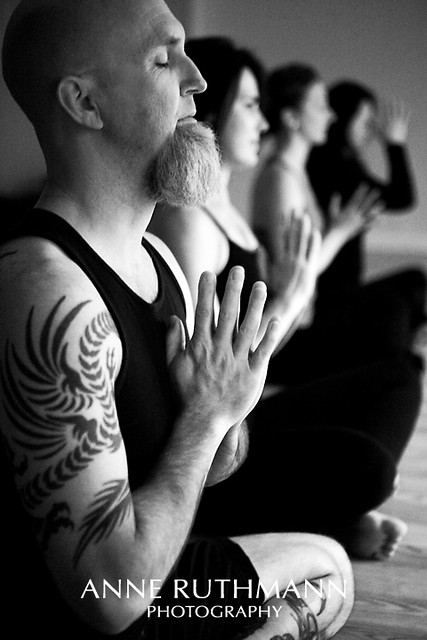
Union Studio Yoga, Andover, MA

You Should Apply If:

You're an optimist who's excited about the idea of running a professional photography business and can commit at least 5 hours weekly to showing up at my office in NYC for at least 6 months with motivation and dedication to doing the work.

Location:

You will be working from my office near Washington Square in New York City; and occasionally meeting over Skype.

Weekly Office Hours:

- 3-8pm Tuesdays and/or 12-5pm Wednesdays
- Additional hours as necessary away from the office

Software You Should Already Know:

- Mac OSX
- Adobe Photoshop CS
- Facebook
- Twitter

Equipment You Should Already Have:

- Cell Phone
- Laptop w/ WiFi Access
- DSLR Camera

Tasks That You're Already Comfortable Doing:

- Talking on the Phone
- Basic Image Editing & Retouching in Photoshop
- Writing Emails & Blogging
- Using a DSLR Camera in Manual Mode

What You'll Learn During Your Internship:
- Marketing with Imagery
- Professional Networking
- Social Media Outreach
- Business Management
- Client Workflow
- Image Management
- Vendor Relations
- Product Sales
- Photography Tips

How you will be compensated:
- Weekly One-on-One Business Mentoring during our 6 Months Together ($5000 value)
- Access to behind-the-scenes operations, workflows, and contracts in my business (priceless)
- Opportunities to receive paid assisting, retouching, and second shooting jobs as available and depending on your creative and technical strengths. ($$$)

******Deadline To Apply********

THURSDAY MAY 1, 2014

You must EMAIL A VIDEO INTERVIEW OF YOURSELF.  Written applications alone will not be accepted.  You can upload something simple like a smartphone/webcam video to YouTube, Vimeo, or just embed it in your email to me, but it should be at least one minute long and provide the video content requirement listed below.  Caution: don't wait until the last minute to send your video, or you may run into technical glitches and not get your application in on time.


Include the following details in your message to info@ anneruthmann.com:
  1. Email Subject: Internship Application 2014
  2. Email Content: Your Name, Phone Number, and where you'll be traveling from each week
  3. Video Content: Share why you're interested in working as an intern, what skills and experiences you already have, and what you hope to learn during your internship.
An emailed response to your video application will be sent by Saturday May 10th.

Last, but not least, because I don't think it's fair that you have to send a video without also seeing a video of me, here's an interview that Dane Sanders did with me in 2012- you can thank the awesome Australian humidity for that crazy hair:
Anne Ruthmann on Fast Track Coaching with Dane Sanders from Dane Sanders on Vimeo.

.... and going even further back to 2008(?), a tiny clip captured while I was teaching a photography workshop on painting with light, in Indianapolis...

Popular Posts

Ask Anne All rights reserved © Blog Milk Powered by Blogger